
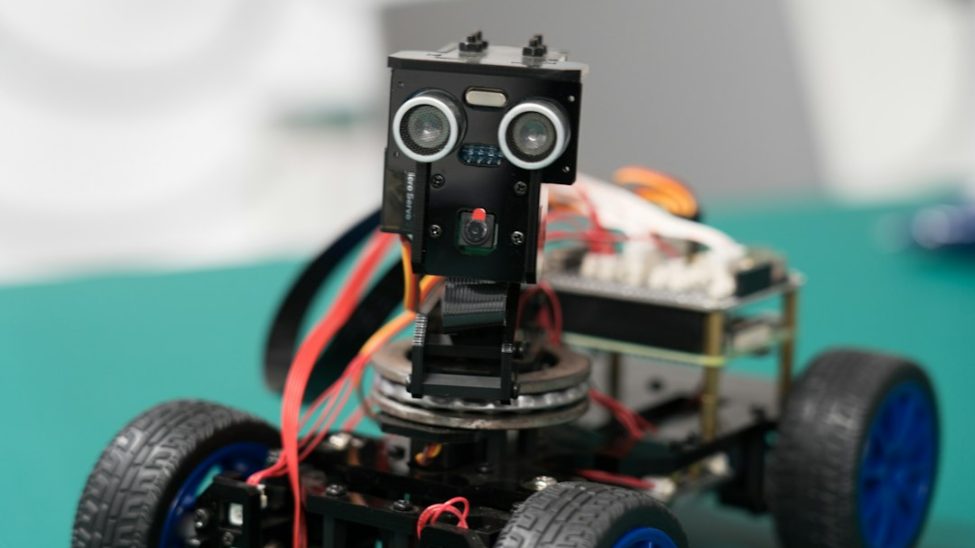
How Robotics is Transforming Industries Across the Globe
Robotics is revolutionizing industries worldwide, enhancing efficiency, productivity, and safety. As businesses seek to innovate and stay competitive, the integration of robotic technologies has become essential. This article explores how robotics is transforming various sectors, addressing user needs, and providing practical outcomes that drive success.
Enhancing Manufacturing Efficiency
In the manufacturing sector, robotics plays a crucial role in streamlining operations. Automated machines can perform repetitive tasks with precision, reducing human error and increasing output. This efficiency not only lowers production costs but also allows companies to scale their operations without compromising quality.
Moreover, robotics enables manufacturers to implement just-in-time production strategies. By utilizing robots for assembly, packaging, and quality control, businesses can respond swiftly to market demands. This agility is vital in today’s fast-paced environment, where consumer preferences can change rapidly.
Transforming Healthcare Delivery
The healthcare industry is experiencing a significant transformation due to robotics. Surgical robots assist surgeons in performing complex procedures with enhanced accuracy, leading to better patient outcomes. These robots can minimize invasiveness, reduce recovery times, and improve overall surgical precision.
Additionally, robotic systems are being used in patient care and rehabilitation. Robots can assist with mobility, helping patients regain independence and improving their quality of life. This integration of robotics in healthcare not only enhances treatment efficacy but also alleviates the burden on healthcare professionals.
Revolutionizing Logistics and Supply Chain
Logistics and supply chain management are being transformed by robotics through automation and data integration. Automated guided vehicles (AGVs) and drones are increasingly used for inventory management and delivery services. These technologies streamline operations, reduce delivery times, and enhance accuracy in order fulfillment.
Furthermore, robotics in logistics helps companies optimize their supply chains. By analyzing data and automating processes, businesses can identify inefficiencies and implement solutions that drive cost savings. This proactive approach to logistics management is essential for maintaining a competitive edge in the market.
Improving Agricultural Practices
Robotics is also making significant strides in agriculture, where precision farming is becoming the norm. Autonomous tractors and drones are used for planting, monitoring crops, and applying fertilizers. This technology allows farmers to maximize yields while minimizing resource usage, leading to more sustainable practices.
Moreover, robotic systems can analyze soil conditions and crop health, providing farmers with valuable insights. This data-driven approach enables better decision-making and enhances productivity. As the global population continues to grow, the role of robotics in agriculture will be crucial for meeting food demands sustainably.
Step-by-step plan:
Step 1: Assess your industry needs and identify areas where robotics can add value. Step 2: Research available robotic solutions that align with your operational goals. Step 3: Develop a strategic implementation plan that includes training and integration. Step 4: Monitor performance and continuously optimize robotic systems for maximum efficiency.